
my story
From Performer to Practitioner
I didn’t come up through a traditional sports science pipeline.
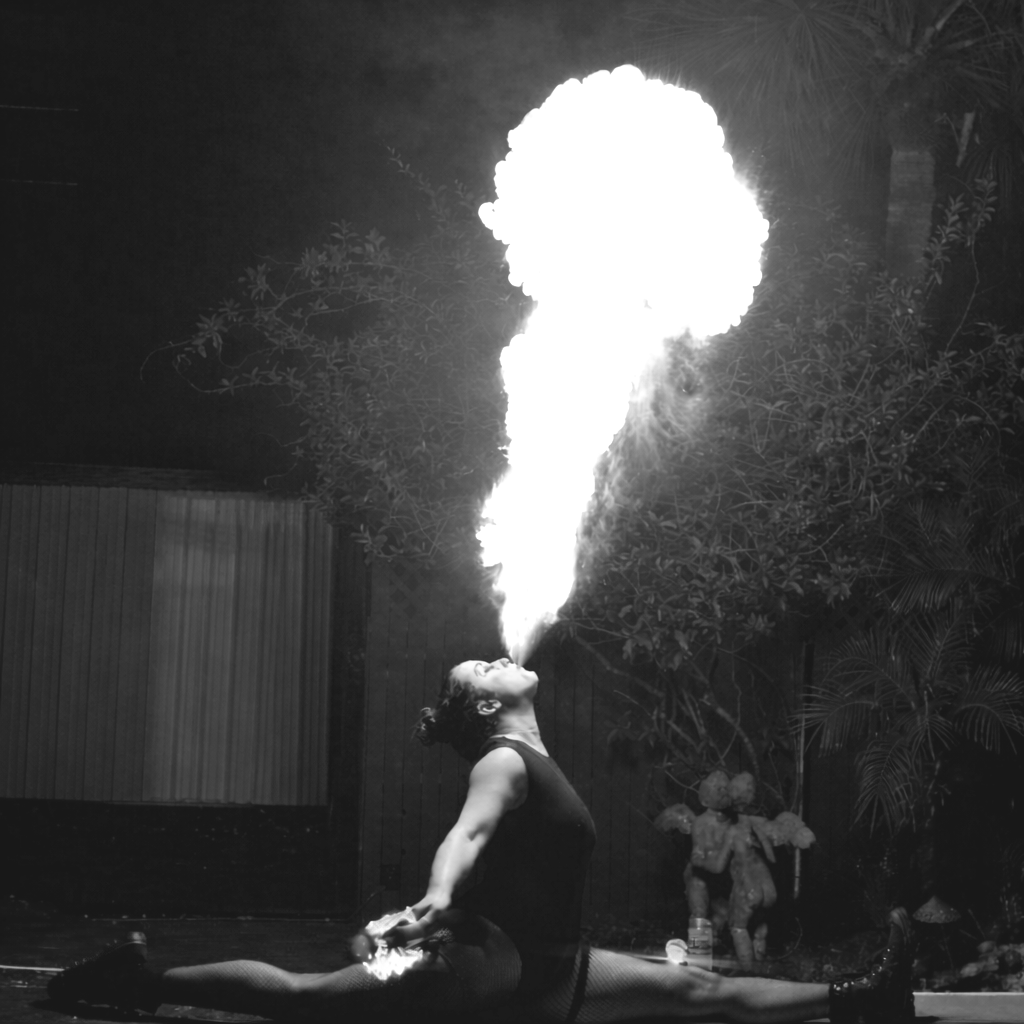
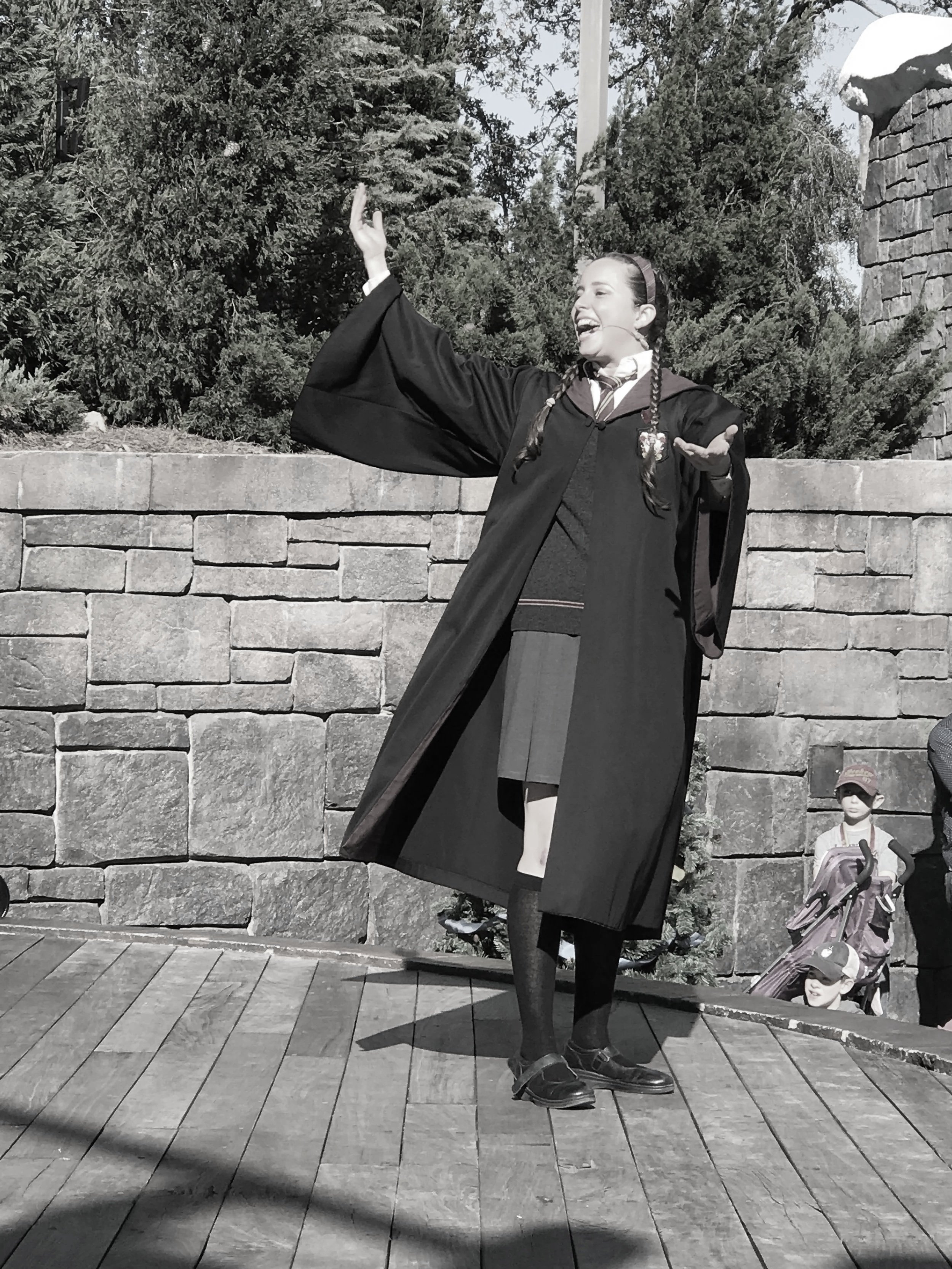
For over a decade, I worked as a professional performing artist — training my body daily, repeating demanding movement patterns, performing under pressure, and learning firsthand what it takes to stay physically and mentally resilient. I understood effort, fatigue, repetition, and the constant push to deliver at a high level, day and after day.
Somewhere along the way, I fell in love with why the body works the way it does.
What started as curiosity turned into a deep interest in anatomy, biomechanics, and performance science. At first, I thought I was late to the game and that without a traditional sports background, I’d always be catching up. But over time, I realized that my performance background wasn’t a disadvantage. It was one of my greatest strengths.
Why My Background Matters
Being a performer taught me how it feels to live in a body that’s constantly being asked to deliver. It taught me how injuries don’t just affect tissues, that they affect confidence, timing, and identity. That lived experience shapes everything I do as a therapist and coach.
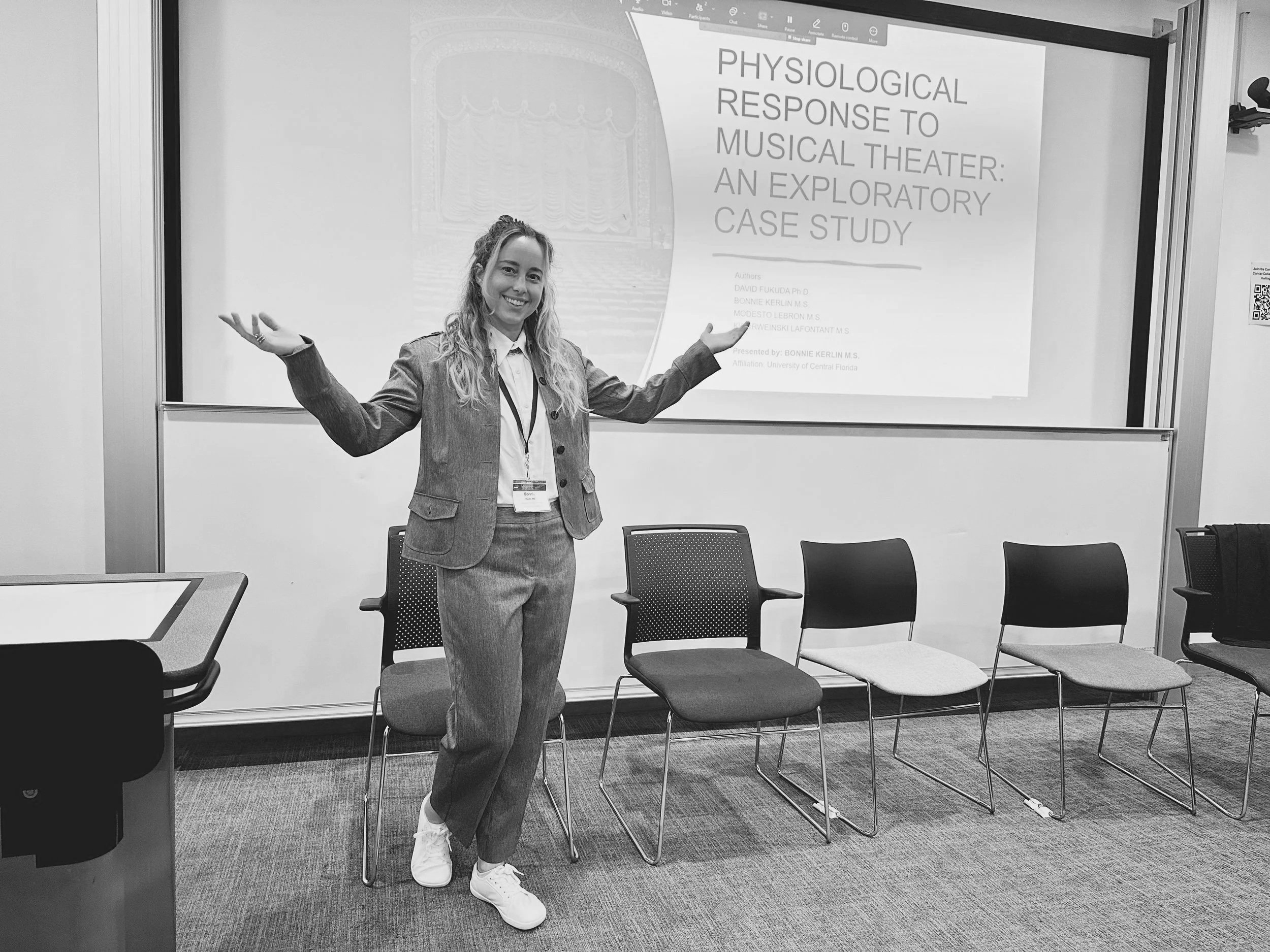
I went on to earn an undergraduate degree in Sports Science, a Master’s in Kinesiology, and certifications in massage therapy and strength & conditioning. Those credentials gave me the scientific framework to match my experiential knowledge — and the ability to connect the dots between recovery, training, and performance.
Today, I work with athletes and performers at every level — from Broadway and Cirque du Soleil to Olympians, NCAA Division I athletes, professional hockey, soccer, and basketball players, including the WNBA and Unrivaled Basketball.
Communication Is a Performance Skill
One of the most valuable skills I brought with me from the stage is communication.
As a performer, I learned how to take complex direction and translate it into action. As a therapist and coach, I do the same but in reverse. I believe that if you can’t explain a concept clearly, it hasn’t been fully understood yet.
I value the ability to explain the same idea in multiple ways, because everyone learns differently. Whether I’m talking to an athlete, a performer, or someone new to training, my goal is always the same: to make complex ideas feel accessible, actionable, and relevant.
There is always a way to distill complicated systems — anatomy, movement, training load, recovery — into manageable parts. When clients understand why something matters, they engage more fully in the process, and the results last longer.
How This Shapes My Work
My sessions aren’t just hands-on or hands-off — they’re collaborative.
I assess how you move, how you train, and how you perform. I explain what I’m seeing, what we’re addressing, and how it connects to your goals. Massage improves tissue quality and restores movement. Strength training reinforces those changes and builds resilience. Each supports the other.
This integrated approach allows me to design care that’s not just reactive, but strategic — supporting both short-term performance and long-term durability.
Why I Do This
I know what it’s like to love a craft deeply and feel limited by your body. I also know how powerful it is when movement feels clear, strong, and supported again.
My work exists to help athletes and performers stay connected to what they love — by building bodies that can keep up with their ambition.